AGENDA:
Print a second short story for Short Story #2 packet.
VIDEO:
https://www.youtube.com/watch?v=xPN7vDu9Rsk
Read Neil Gaiman short story and comment on blog:
https://www.telegraph.co.uk/culture/hay-festival/11603446/Neil-Gaiman-Click-clack-the-Rattlebag.html
Tuesday, March 19, 2019

Friday, March 15, 2019
Short Story--#1 and Peer Edit
AGENDA:
Last call for Short Story #1 and Peer Edit for grading purposes.
Work on Short Story #2 for Workshop on Tuesday! See Google Classroom and post new material for Workshop #2
Remember, you need 20 pages for the marking period! Get going on new prompts---try writing in different POVs, styles, genres, etc.
Last call for Short Story #1 and Peer Edit for grading purposes.
Work on Short Story #2 for Workshop on Tuesday! See Google Classroom and post new material for Workshop #2
Remember, you need 20 pages for the marking period! Get going on new prompts---try writing in different POVs, styles, genres, etc.
Wednesday, March 13, 2019
Model Short Stories
AGENDA:
WRITING:
Continue to work on your own short stories and workshop pieces.
Yearbook poems!
READING: This website has "model" short stories and commentary on them. Explore!
http://www.centerforfiction.org/forwriters/the-model-short-story/
Articles on writing:
http://www.centerforfiction.org/forwriters/writers-on-writing/
WRITING:
Continue to work on your own short stories and workshop pieces.
Yearbook poems!
READING: This website has "model" short stories and commentary on them. Explore!
http://www.centerforfiction.org/forwriters/the-model-short-story/
Articles on writing:
http://www.centerforfiction.org/forwriters/writers-on-writing/
Monday, March 11, 2019
Tillie Olsen "I Stand Here Ironing"
READ: "I Stand Here Ironing"
Think, Pair, Share: With a partner, answer the following questions--
“I Stand Here Ironing” by Tillie Olsen
(used in 1992 as AP prose essay prompt)
Short Story Analysis
Answer the questions as specifically as possible with textual references, but do so quickly.
- Who is the “you” in the first sentence?
- Is the narrator static or dynamic? Justify with a quotation from the beginning and one from the end, and label her state in each one.
- Define the ongoing (including the current) external conflict between mother and daughter. Use specific terms
- Define the mother’s internal conflict (how she is conflicted with herself).
- The narrator refers to “all that life that has happened outside me, beyond me.” What factors beyond her control have affected her relationship with her daughter? In a brief list, identify five economic, personal, and/or historical factors (note their effects only if necessary for clarity.
- Identify three factors/circumstances within her control for which the mother seems to be willing to take blame and accept as her mistakes (use 3 quotes). (Form: “She takes the blame for X when she states, “[quotation].”)
- Analyze the summary paragraph (the penultimate one) that begins “I will never total it all.” Why does the narrator say this equation would not be an adequate explanation of Emily’s character? Does this seem like excuse making on her part for her daughter’s trouble? (Form: three or more analytical sentences)
- Consider the “help” Emily receives at the convalescent home: how does it connect to or influence the mother’s statement “Let her be,” at the end?
- In what way does the story’s final paragraph express the narrator’s feeling of resignation (acceptance)? In what way does it express an affirmation (approval)? (use quotations)
- Explain the “ironing” metaphor by showing its relevance to:
- The mother’s wish for her daughter
- The mother’s view of her own life
- Write a theme statement for this story.
“I Stand Here Ironing” by Tillie Olsen
Theme Statement
When a reflective and self-aware mother who has raised a family through difficult personal, economic, and social circumstances comes in conflict with someone who wants to give her advice concerning her child’s teenage difficulties in a situation in which the mother is suspicious of outside interference, the result may be that the mother reflects on her strengths and weaknesses as a parent, both “what should have been and what (could) not be helped,” and rejects the outside interference but hopes for her child to have more control over her life than the mother felt she had over her own.
Wednesday, March 6, 2019
Yearbook poetry/Tobias Wolff "Hunters in the Snow"
AGENDA:
Put together yearbook poems from seniors.
Continue working on workshop stories.
READ: Tobias Wolff: "Hunters in the Snow"
https://www.youtube.com/watch?v=QEVdhN06JZg
Brueghel painting

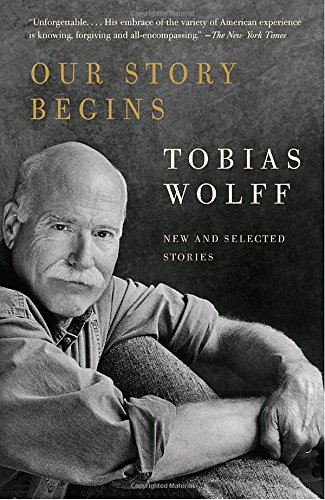
http://www.classicshorts.com/stories/huntsnow.html
https://owlcation.com/humanities/Analysis-of-Tobias-Wolffs-Hunters-in-the-Snow
Think, Pair, Share: Discuss in group. Post group answer to questions on blog.
Group 1:
Discussion Question 1 Discuss the very first interaction between Tub, Frank, and Kenny. How does this interaction set the tone of the story and the character relationships?
Discussion Question 2 How do these pages of the story portray and develop the dynamic between Frank and Kenny? In what ways is the dynamic of their relationship significant?
Discussion Question 3 In what ways are Frank and Kenny insensitive towards Tub in these pages, specifically in reference to Tub’s weight? How might this insensitivity be significant in the story?
Group 2:
Discussion Question 1
What causes and factors lead Tub to shoot Kenny? What are the literal and symbolic significances of this moment and of the related factors?
Discussion Question 2
What are the possible narrative and thematic significances of the scene inside the farmer’s house? How does this scene relate to the overall story?
Discussion Question 3
How does the dynamic between Frank and Tub shift after they exit the farmer’s house/ What are the causes and significances of this shift?
Group 3:
Discussion Question 1
What secret does Frank admit to Tub? What are the narrative/thematic significances of the secret and Tub’s reaction to it?
Discussion Question 2
What secret does Tub admit to Frank? What are the narrative/thematic significances of the secret and Frank’s reaction to it?
Discussion Question 3
What is the tone and significance of the story’s conclusion? How does the ending relate to the overall story?
Put together yearbook poems from seniors.
Continue working on workshop stories.
READ: Tobias Wolff: "Hunters in the Snow"
https://www.youtube.com/watch?v=QEVdhN06JZg
Brueghel painting
http://www.classicshorts.com/stories/huntsnow.html
https://owlcation.com/humanities/Analysis-of-Tobias-Wolffs-Hunters-in-the-Snow
Think, Pair, Share: Discuss in group. Post group answer to questions on blog.
Group 1:
Discussion Question 1 Discuss the very first interaction between Tub, Frank, and Kenny. How does this interaction set the tone of the story and the character relationships?
Discussion Question 2 How do these pages of the story portray and develop the dynamic between Frank and Kenny? In what ways is the dynamic of their relationship significant?
Discussion Question 3 In what ways are Frank and Kenny insensitive towards Tub in these pages, specifically in reference to Tub’s weight? How might this insensitivity be significant in the story?
Group 2:
Discussion Question 1
What causes and factors lead Tub to shoot Kenny? What are the literal and symbolic significances of this moment and of the related factors?
Discussion Question 2
What are the possible narrative and thematic significances of the scene inside the farmer’s house? How does this scene relate to the overall story?
Discussion Question 3
How does the dynamic between Frank and Tub shift after they exit the farmer’s house/ What are the causes and significances of this shift?
Group 3:
Discussion Question 1
What secret does Frank admit to Tub? What are the narrative/thematic significances of the secret and Tub’s reaction to it?
Discussion Question 2
What secret does Tub admit to Frank? What are the narrative/thematic significances of the secret and Frank’s reaction to it?
Discussion Question 3
What is the tone and significance of the story’s conclusion? How does the ending relate to the overall story?
Tuesday, March 5, 2019
Amy Hempel/ New short story prompts
AGENDA:
Discussion questions for short story:
https://thewritepractice.com/short-story-ideas/
https://thejohnfox.com/2016/06/short-story-ideas/
Discussion questions for short story:
1. Why did it take the narrator two months to visit her best friend in the hospital?
2. What is referenced by the 2nd “it” (“it scared him to death) in the story told by the mortician?
3. Where does the narrator’s friend seem to be on psychologist Kubler-Ross’ six stages of grief process? Explain your answer.
The stages are, in order:
Denial: “This can’t happen to me.”
Anger: “It isn’t fair. What did I do to deserve this?”
Anger: “It isn’t fair. What did I do to deserve this?”
Bargaining: “I’ll do anything if you just make this go away.”
Depression : “I feel hopeless, nothing matters anymore.”
Acceptance: “I’ll be okay.”
Hope: “What can I do to help others?”
Acceptance: “I’ll be okay.”
Hope: “What can I do to help others?”
4. What’s the real difference between the Good and Bad Doctor?
5. Why is the setting of “earthquake weather” appropriate for the story?
6. Does the narrator stay the night with her friend? Why or why not?
Continue to work on revising and editing in workshop.
New short story prompts:
https://thejohnfox.com/2016/06/short-story-ideas/
Friday, March 1, 2019
Amy Hempel/Workshop
AGENDA:
Continue workshopping Story #1
HMWK:
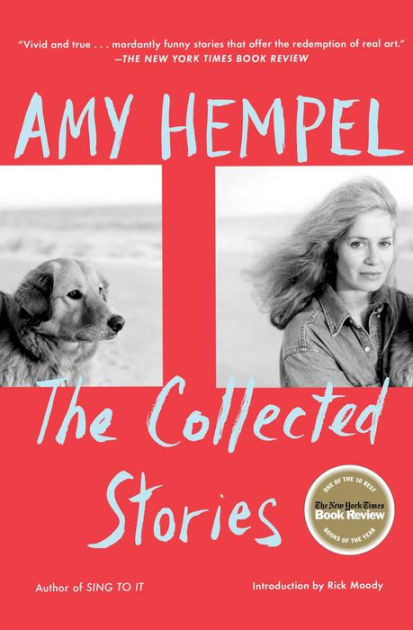
For Tuesday, read Amy Hempel's "In the Cemetery Where Al Jolson is Buried"
Scribner pg. 343
https://en.wikipedia.org/wiki/Amy_Hempel
http://fictionaut.com/stories/amy-hempel/in-the-cemetery-where-al-jolson-is-buried
http://paulmcveigh.blogspot.com/2013/04/in-cemetery-where-al-jolson-is-buried.html
Continue workshopping Story #1
HMWK:
For Tuesday, read Amy Hempel's "In the Cemetery Where Al Jolson is Buried"
Scribner pg. 343
https://en.wikipedia.org/wiki/Amy_Hempel
http://fictionaut.com/stories/amy-hempel/in-the-cemetery-where-al-jolson-is-buried
http://paulmcveigh.blogspot.com/2013/04/in-cemetery-where-al-jolson-is-buried.html
Subscribe to:
Posts (Atom)